Climate Action Storytelling Toolkit

This toolkit has been designed to help your students find their voices as advocates for the Earth. Students will learn how to translate environmental awareness into compelling narratives that inspire action. Whether they are imagining a hopeful future, fighting for nature restoration or reflecting on the biodiversity in their own backyard, these lessons empower young people to shift from being passive observers to active storytellers for climate action and biodiversity conservation.

What to expect in this toolkit:

  • 3 customisable lesson plans, bite-sized activities and discussion questions to help develop storytelling abilities alongside SDG skills  
    • Storytelling mediums covered in lesson plans: collage art, poetry, film
  • Extension activity for students ages 14+
Activities, Lesson Plan
icon
Age 14+ - (Upper Secondary/ high school), Ages 8-14 - (Upper Primary/lower secondary/middle school )
icon
English
icon
< 1 hour

Voices of the Earth

This lesson is part of WLL’s Climate Action Storytelling Toolkit.

Voices of the Earth uses performance poetry to bridge the gap between environmental science and creative writing. By analysing the poem: Hope by Salome Agbaroji students explore how personification (giving nature a human voice) can create an emotional connection that facts and figures often miss. Students will move from being passive listeners to active advocates, craft their own “voice for the voiceless,” and perform their work in class.

Lesson Plan
icon
Ages 8-14 - (Upper Primary/lower secondary/middle school )
icon
English
icon
< 1 hour

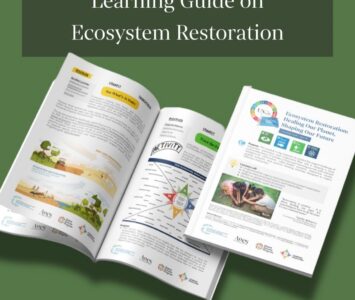
Learning Guide on Ecosystem Restoration

This module invites learners to explore the urgent need for ecosystem restoration and understand their role in shaping a more sustainable future. It includes a three-part learning journey with relevant background information, video-based contents, interactive visuals, guided research, and systems thinking activities designed to inspire reflection and action.
Learners will
  • Understand the urgency and potential of ecosystem restoration
  • Explore interconnected systems and stakeholders
  • Reflect on global and local solutions
  • Develop ideas for youth-led action
Activities, Lesson Plan
icon
Age 14+ - (Upper Secondary/ high school)
icon
English
icon
3+ hours

Wild Futures for Storytelling

This World Wildlife Conservation Day and beyond, bring the power of storytelling into your classroom with Wild Futures for Storytelling – a ready-to-use learning experience created by the NAT, the World’s Largest Lesson, and Open Planet.

In this 15-minute video lesson, students explore how their love for nature can inspire real-world action. They’ll go behind the scenes of Open Planet’s film Ocean with David Attenborough, discovering how storyboarding, narration, and creative storytelling shape powerful messages about protecting our planet and building hope for the future.

The lesson is accompanied by a lesson plan that guides you through an 20-minute classroom activity that students can do after watching the lesson. Pause the video anytime for discussion, dive deeper into the creative process, and help your students craft stories that can inspire change.

Watch the lesson and download the plan below – whenever it fits your schedule.

Lesson Plan, Videos
icon
Ages 8-14 - (Upper Primary/lower secondary/middle school )
icon
English
icon
< 1 hour

Planet Protectors Toolkit Guide

Welcome to the Planet Protectors Toolkit Guide!

This guide is your one-stop shop for WLL’s curated climate action and sustainability resources, designed to help you easily integrate sustainability learning into your learning environment. It covers five engaging sections, each focused on developing key sustainability competencies:

  • Data Explorer: Data Explorers & Data Explorers Unplugged

  • Nature Guardian: Climate Change Dodgeball

  • Waste Warrior: Food Heroes

  • Eco Inventor: Sustainability Hour, do your :bit

  • Visionary Artist: Visions of Tomorrow, Voices of Future Generations

With bite-sized activities, discussion spaces, and classroom-ready slides, this guide empowers you to create a dynamic, customisable learning experience tailored to your students’ needs.

Activities, Lesson Plan
icon
Ages 8-14 - (Upper Primary/lower secondary/middle school )
icon
English
icon
1-3 hours

Food Heroes! (AIESEC)

Food Heroes is an engaging lesson that helps students understand Sustainable Development Goal 12 and why responsible consumption matters. They’ll explore the issue of food waste, learn about target 12.3, and discover practical ways to eat more sustainably and protect our planet.

SDG skills covered:

  • Connection to Nature: Feel part of the natural world and respect its needs to help restore and protect ecosystems.
  • Collective Action: Work together with others, using empathy, storytelling, and shared purpose to create meaningful change.

  • Individual Action: Take personal responsibility for sustainability by building healthy habits, resilience, and a commitment to lifelong learning.

Activities
icon
Ages 8-14 - (Upper Primary/lower secondary/middle school )
icon
English
icon
1-3 hours

Sign Up

Join the World’s Largest Lesson educator community!